Funny Retro Font for Web Design
As a web designer, I've worked with countless fonts, but Funny Retro stands out for its unique blend of charm and boldness. This display font brings a playful yet professional vibe that fits well in various digital contexts. Its retro appeal makes it ideal for projects that aim to capture attention without sacrificing readability.
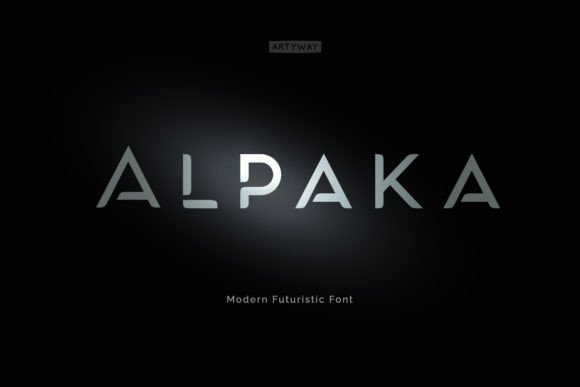
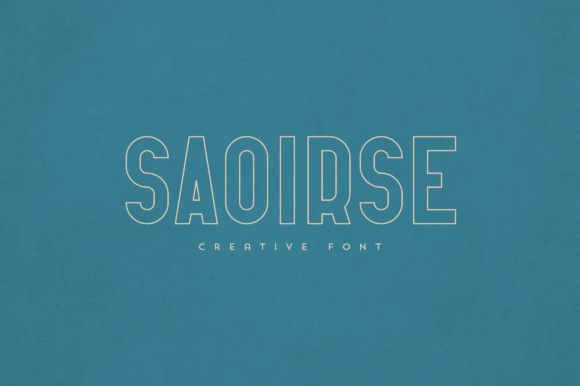
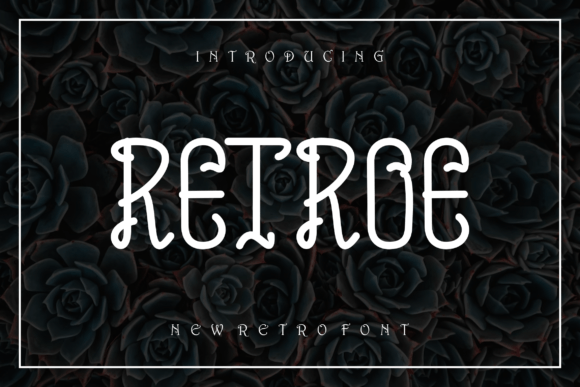
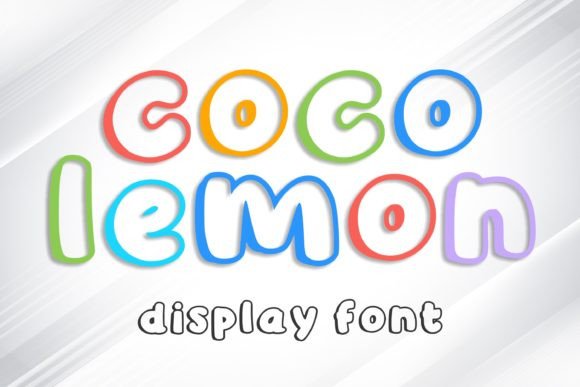
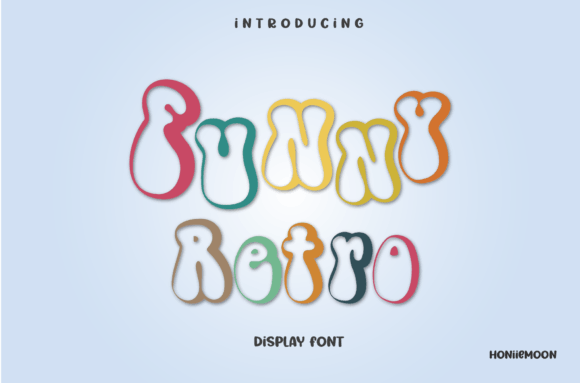
Funny Retro is a display font that combines cuteness with a jolly personality. The characters are stylized with rounded edges and whimsical curves, giving the font a friendly and approachable feel. It's perfect for creating visual interest in headers, banners, and other prominent areas of a website where you want to make an impression quickly.
Using Funny Retro in Website Layouts
Incorporating Funny Retro into your design can elevate the visual hierarchy of your site. For example, using this font in hero sections or landing page headlines adds a touch of fun while keeping the message clear. When paired with a clean sans serif font for body text, it creates a balanced look that's both engaging and easy on the eyes.
For online stores, Funny Retro can be used in promotional banners or product highlights. It helps draw the user’s eye to important information such as sale dates or featured items. In a boutique store setting, this font aligns well with a brand that wants to appear trendy and youthful.
Readability and Visual Hierarchy
While Funny Retro is a display font, its legibility is surprisingly good, especially when used in larger sizes. On mobile screens, it performs well if given enough space. However, it's best suited for short phrases rather than long paragraphs. Using it in call-to-action buttons or section headings ensures that users can quickly grasp the intended message.
When designing for dark backgrounds, ensure there's sufficient contrast between the font color and the background. A light color like white or pastel shades can help maintain readability without overpowering the design.
Brand Tone and User Engagement
The tone of Funny Retro is lighthearted and joyful, making it suitable for brands that want to convey warmth and approachability. It's particularly effective in creative portfolios, coaching websites, or any platform that aims to build a personal connection with the audience.
For a course sales page or blog header, Funny Retro can introduce a sense of excitement around the content being offered. It encourages engagement by breaking up the monotony of standard typography and adding a memorable visual element.
Font Pairing and Typographic Harmony
Pairing Funny Retro with a simple sans serif font like Helvetica or Arial can create a harmonious balance between decorative and functional typography. This combination works well for editorial designs, where the display font grabs attention while the body text remains readable and focused.
If your brand has a more traditional or sophisticated identity, consider pairing Funny Retro with a serif font. This can add depth and elegance to your design while still maintaining the playful character of the display font.
Practical Applications and Examples
Funny Retro shines in digital assets that require a pop of personality. Here are some practical examples:
- Creative Portfolio Sites: Use Funny Retro for project titles or taglines to showcase creativity and individuality.
- Boutique Online Stores: Apply it to banner headlines or seasonal promotions to highlight limited-time offers.
- Coaching Websites: Incorporate it into welcome messages or service descriptions to foster a warm and inviting atmosphere.
- Product Landing Pages: Feature it in headline sections to emphasize key selling points and drive conversions.
- Digital Brand Kits: Include it as part of a comprehensive set of brand assets that reflect a cohesive visual identity.
Whether you're designing a social media graphic or a digital ad, Funny Retro adds a layer of visual storytelling that can enhance the overall impact of your message.
Commercial Licensing and File Formats
Before using Funny Retro for client projects, online stores, or digital templates, ensure that the font comes with a commercial license. Many premium fonts require proper licensing for use in commercial environments. Check the available file formats, including webfont versions, to ensure compatibility across different platforms and devices.
Also, verify if the font includes multiple styles, weights, and multilingual support. These features can expand the versatility of Funny Retro, allowing it to be used in a wide range of global applications.
By thoughtfully integrating Funny Retro into your design workflow, you can create visually compelling layouts that resonate with your target audience. Whether you're building a brand identity or optimizing a conversion-focused landing page, this font offers a unique way to express creativity and engage users effectively.